
Scrap Ribbon Tree Ornament
EQ4Kids • December 6, 2019
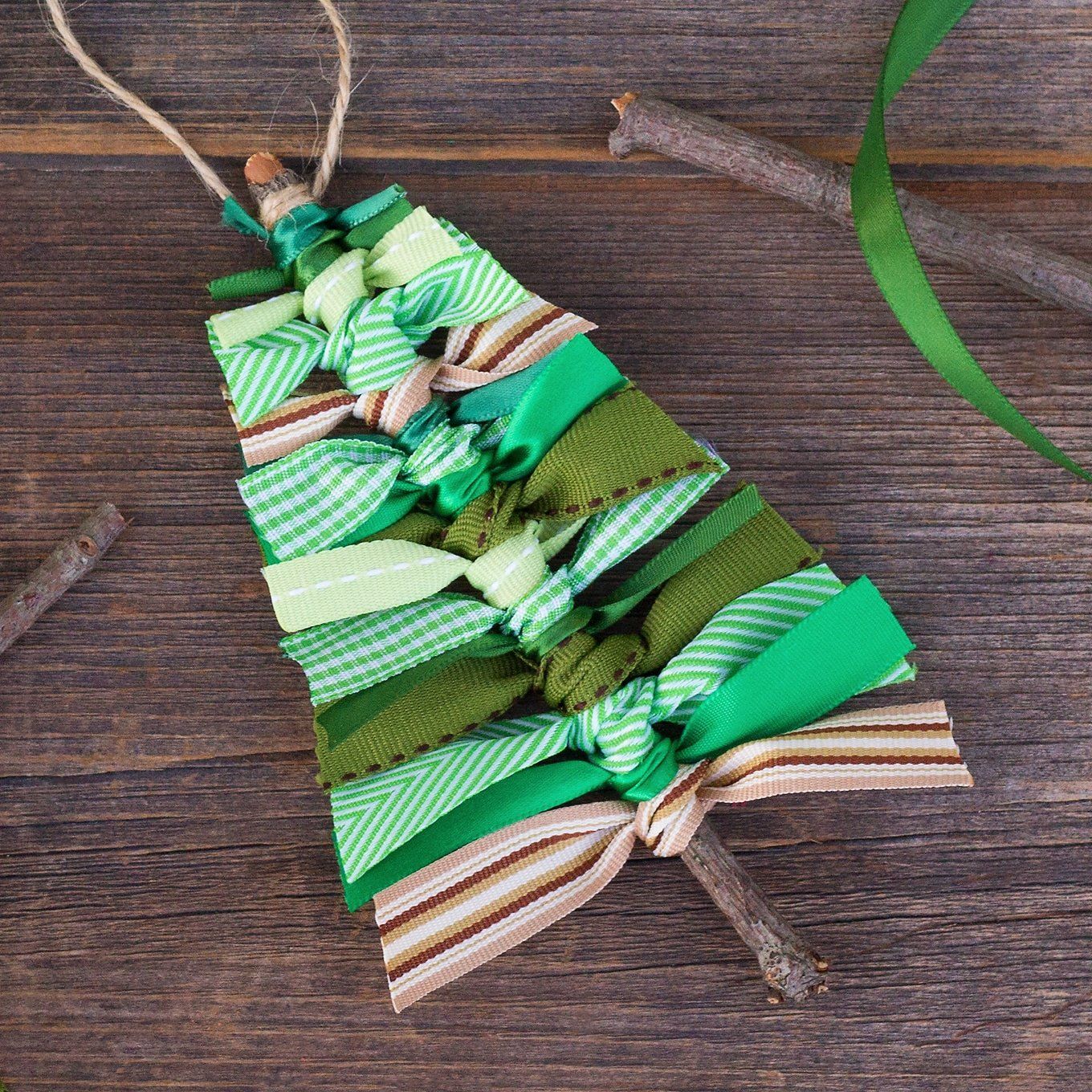
Crafters of all ages will enjoy making a primitive scrap ribbon Christmas tree ornament to gift or keep this holiday season. In this post, learn how to use shades of green and brown scrap ribbon to emulate the welcoming branches of a Christmas tree.
Tools
Straight sticks or cinnamon sticks 6-inch
Ribbons
Hot glue gun
Twine
Scissors
Instructions
- After gathering supplies, invite kids to tie the scraps of ribbon down the twig or cinnamon stick.
- For best results, bunch the ribbons close together. The ribbons will bend and slightly overlap. Gently tug them into place until you are satisfied with their placement.
- Use sharp scissors to trim the ribbon scraps into the shape of a Christmas tree.
- If desired, melt the edges of the ribbons with a match so the ribbon doesn’t fray.
- Hot glue or tie a loop of twine to the top of the tree.
- If desired, top the tree with a wooden star, yellow button, or primitive metal star.
- Your Scrap Ribbon Tree Ornament is complete!
Original post from Fire Flies & Mud Pies
Share Post
Complete the following form if you require more info about EQ4kids or want to enroll your child at your nearest Franchise.
Blog Enquiry
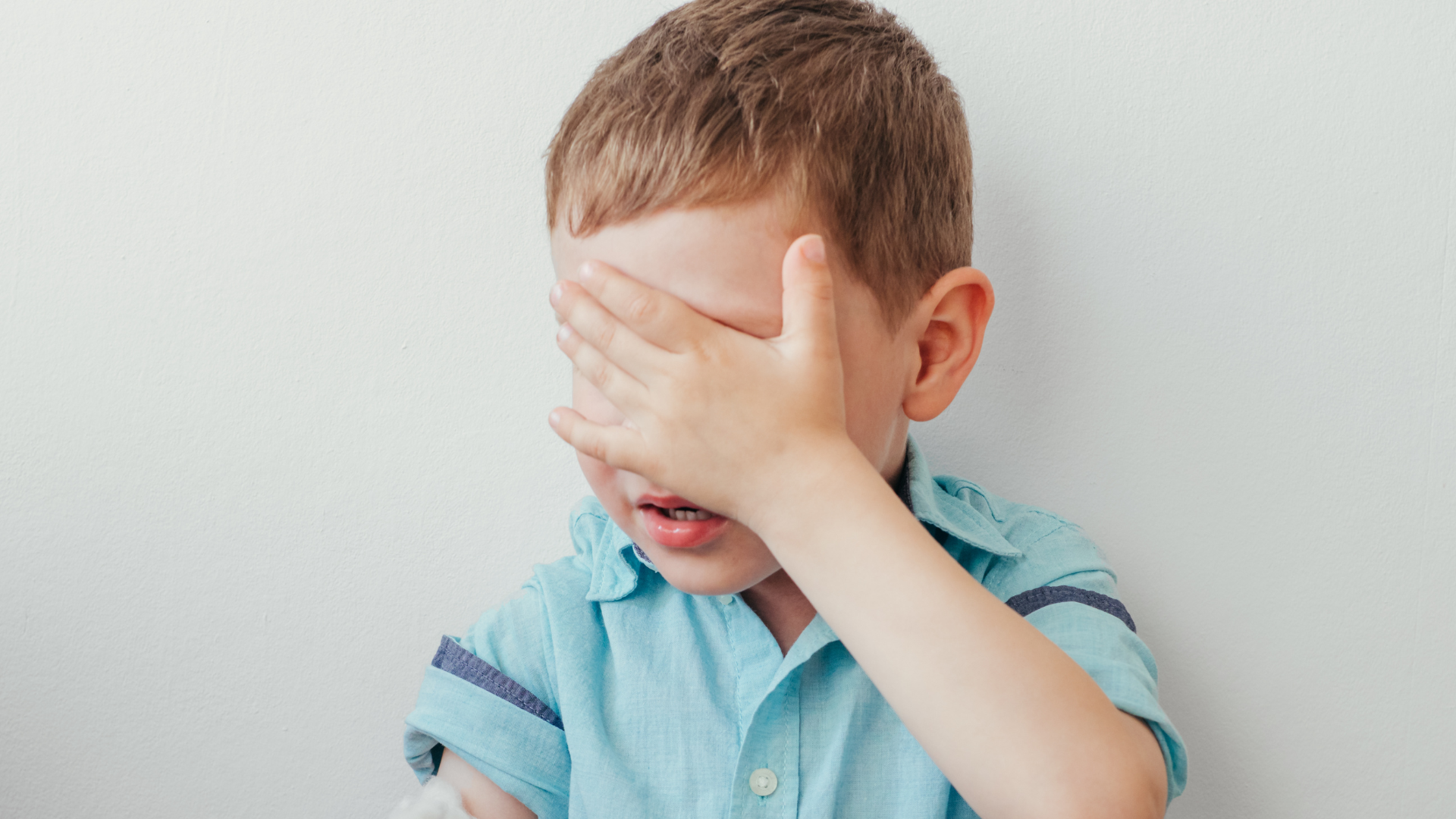
Fear is a natural and universal emotion that everyone experiences at some point. For children, fear can stem from a variety of sources—whether it’s the fear of the dark, separation from parents, new social situations, or fears of failure. While fear is a protective emotion designed to keep us safe, when it becomes overwhelming or persistent, it can hinder a child’s emotional growth and daily functioning. Teaching children how to manage and cope with fear through emotional intelligence (EQ) can help them face challenges confidently and build resilience in the process.
Help kids manage aggression through emotional intelligence. Join our program for effective parenting strategies today!

As parents, we play a pivotal role in shaping our children’s emotional experiences. While feelings like joy, excitement, and pride are often celebrated, emotions like shame are more difficult to navigate. However, understanding and managing shame in a healthy way is crucial for emotional well-being and growth. Shame is a powerful emotion, and if handled poorly, it can have lasting negative effects on a child’s self-esteem and sense of worth.
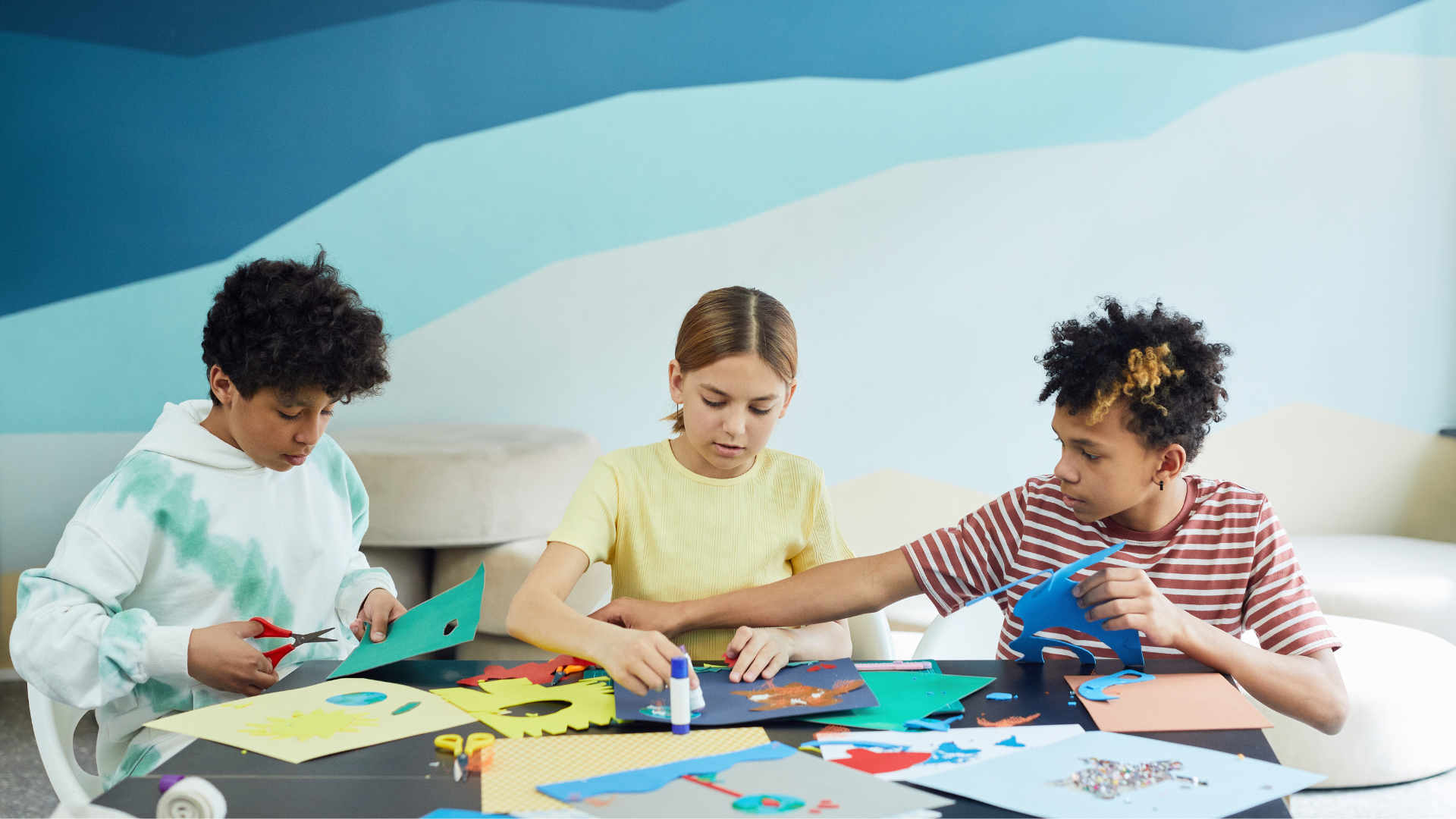
Emotional intelligence helps children build strong social skills and essential life skills they will carry for years to come.

Learn how parental emotional intelligence impacts children's development. Enhance your parenting skills today!

Academic success is often associated with intellect and hard work, but there’s another vital ingredient that’s often overlooked: emotional intelligence (EQ). EQ refers to the ability to recognize, understand, and manage one’s emotions, as well as empathize with others. It plays a significant role in shaping how students approach learning, handle challenges, and interact in academic settings.

In a world increasingly driven by connection, collaboration, and empathy, emotional intelligence (EQ) is no longer an optional skill—it’s a necessity. EQ encompasses the ability to understand, manage, and express emotions while recognizing and respecting the feelings of others. For children, these abilities are foundational to success not just in relationships but in academics, careers, and personal well-being.

Teach kids emotional responsibility & accountability. Join our program for effective parenting strategies today!

Biting is a common yet challenging behavior among preschool-aged children. While it can be distressing for parents, caregivers, and other children, it’s important to understand that biting is often a developmental phase. For young children who are still learning to express themselves verbally, biting can be a way of communicating frustration, seeking attention, or exploring their environment.