
Ouer betrokkenheid is belangrik
Antoinette Steyn • August 14, 2020
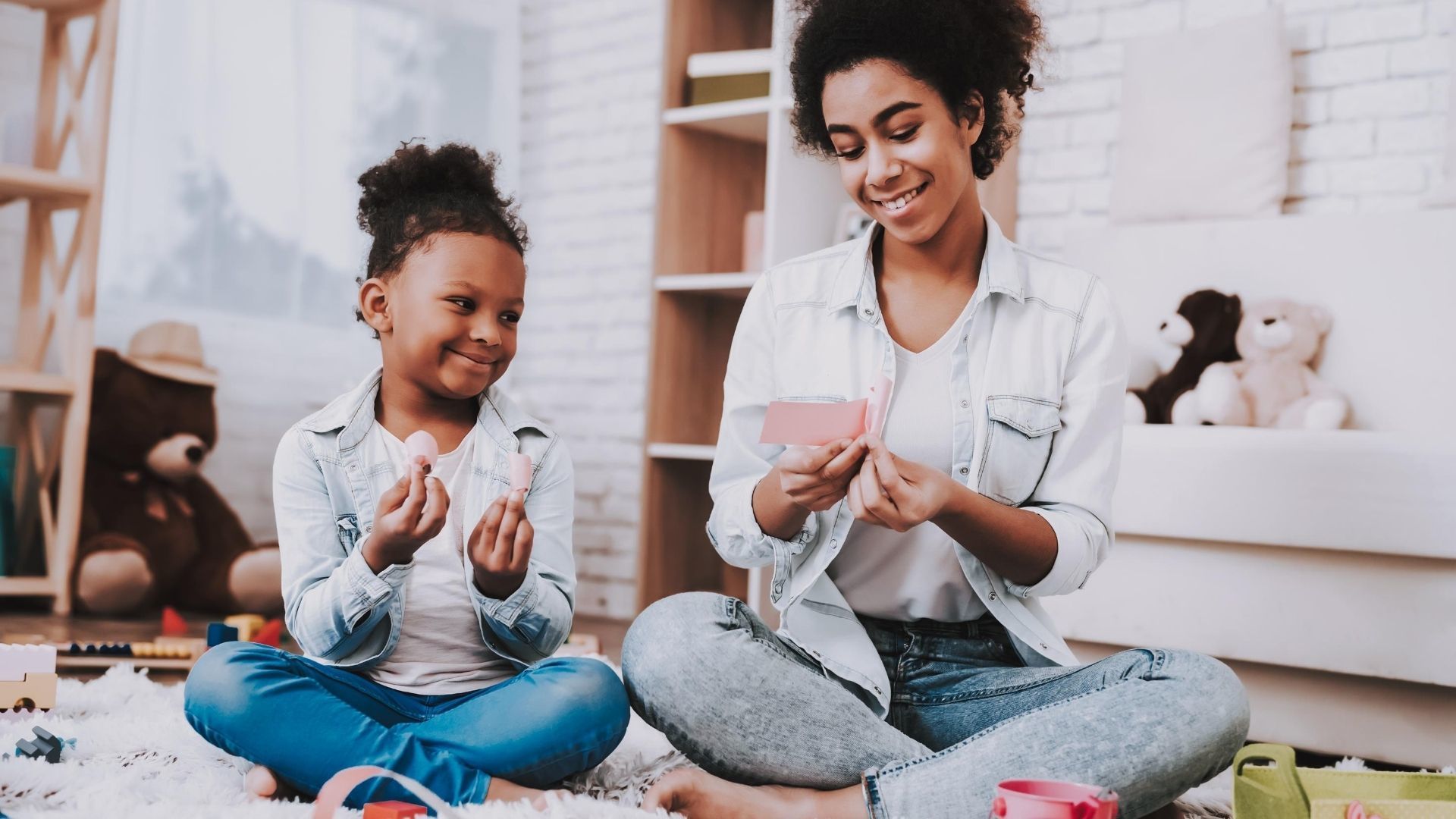
Dit is geen nuwe nuus of ‘n vreemde standpunt, dat die rol wat ouers speel in die akademiese en algemene opvoeding van kinders van kardinale belang is nie.
Ons kon in die grendel tydperk nie anders as om agter te kom hoeveel kinders slegs voor ‘n skerm neergeplak word met die instruksie om net te leer nie. Dit is ‘n feit dat ouers deesdae ‘n gejaagde lewe lei met verskeie verantwoordelikhede. Dit vat egter nie die noodsaaklike behoefte weg wat ons kinders het vir ons betrokkenheid in hul lewens nie.
Selfstandigheid is wel belangrik, maar ouers moet onthou dat dit ‘n betrokke ouer vereis om hierdie belangrike konsep te ontwikkel in kinders. Dit is belangrik vir kinders om te besef dat hul opvoeding hul verantwoordelikheid is. Dit is egter ook belangrik vir ouers om hul te ondersteun in die proses om die belangrikheid hiervan te ontdek.
Volgens die Nasionale Opvoeding Assosiasie is daar navorsing wat bewys dat familie interaksie in skool verwante aktiwiteite, kinders se prestasie kan verbeter, afwesigheid verminder en ook vir ouers ‘n geruste en meer selfversekerde gevoel kan gee met betrekking tot hul kinders se opvoeding. Kinders met ouers wat betrokke is in die verskillende aspekte van hul lewens, bereik beter akademiese prestasies en het ook onder andere beter sosiale vaardighede.
Daar is ‘n gesegde wat lui: “ʼn Appel ‘n dag hou die dokter weg” met betrekking tot ons kinders kan ons sê ’ʼn oomblik ‘n dag hou toekomstige probleme weg”. Maak tyd vir jou kinders, stel belang in dit wat hulle leer op skool, moedig hulle aan, glo in hulle en wys vir hulle dat dit waarmee hulle besig is, vir jou ook belangrik is.
Share Post
Complete the following form if you require more info about EQ4kids or want to enroll your child at your nearest Franchise.
Blog Enquiry
Fear is a natural and universal emotion that everyone experiences at some point. For children, fear can stem from a variety of sources—whether it’s the fear of the dark, separation from parents, new social situations, or fears of failure. While fear is a protective emotion designed to keep us safe, when it becomes overwhelming or persistent, it can hinder a child’s emotional growth and daily functioning. Teaching children how to manage and cope with fear through emotional intelligence (EQ) can help them face challenges confidently and build resilience in the process.

Help kids manage aggression through emotional intelligence. Join our program for effective parenting strategies today!

As parents, we play a pivotal role in shaping our children’s emotional experiences. While feelings like joy, excitement, and pride are often celebrated, emotions like shame are more difficult to navigate. However, understanding and managing shame in a healthy way is crucial for emotional well-being and growth. Shame is a powerful emotion, and if handled poorly, it can have lasting negative effects on a child’s self-esteem and sense of worth.
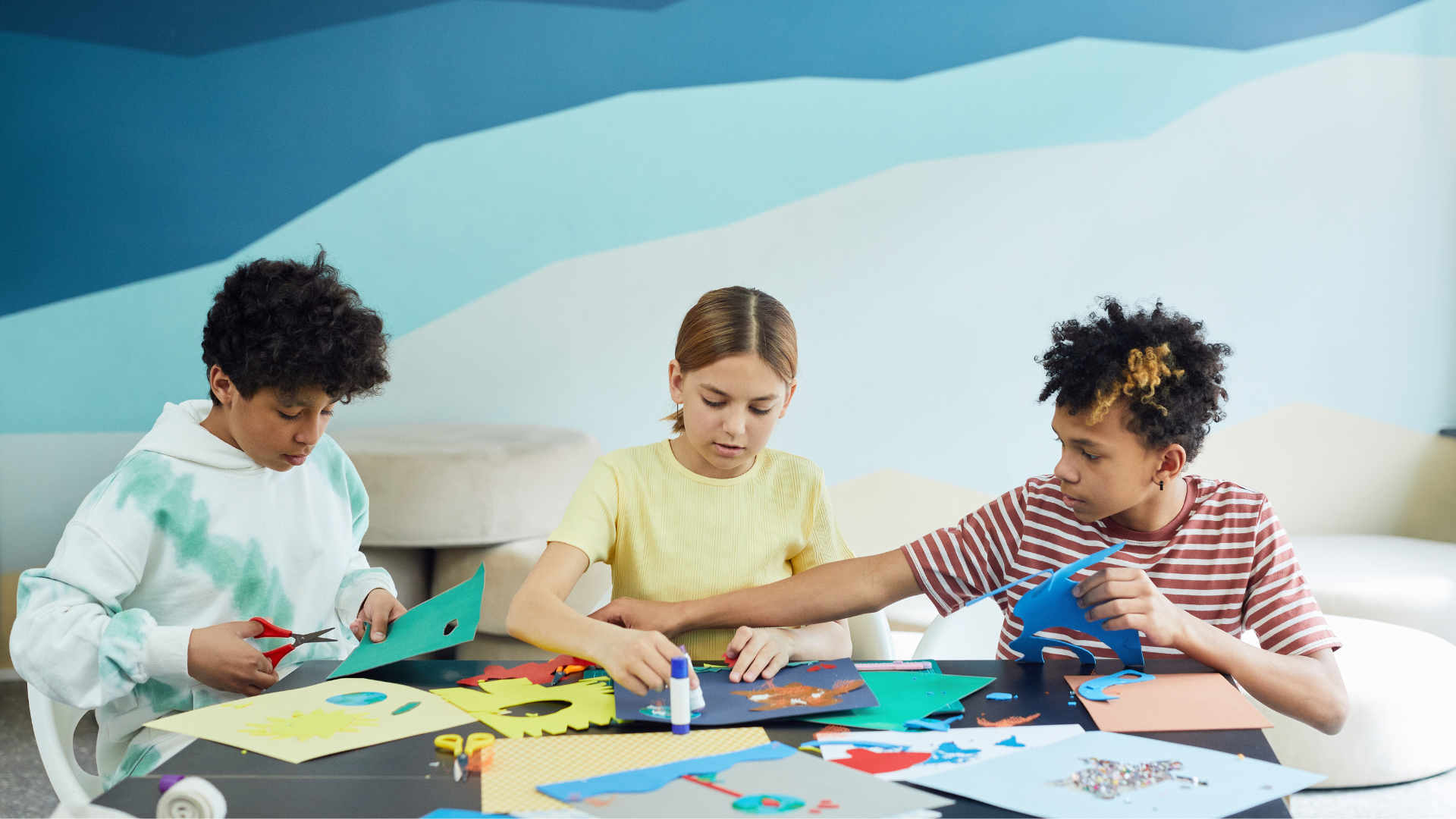
Emotional intelligence helps children build strong social skills and essential life skills they will carry for years to come.

Learn how parental emotional intelligence impacts children's development. Enhance your parenting skills today!

Academic success is often associated with intellect and hard work, but there’s another vital ingredient that’s often overlooked: emotional intelligence (EQ). EQ refers to the ability to recognize, understand, and manage one’s emotions, as well as empathize with others. It plays a significant role in shaping how students approach learning, handle challenges, and interact in academic settings.

In a world increasingly driven by connection, collaboration, and empathy, emotional intelligence (EQ) is no longer an optional skill—it’s a necessity. EQ encompasses the ability to understand, manage, and express emotions while recognizing and respecting the feelings of others. For children, these abilities are foundational to success not just in relationships but in academics, careers, and personal well-being.
Teach kids emotional responsibility & accountability. Join our program for effective parenting strategies today!

Biting is a common yet challenging behavior among preschool-aged children. While it can be distressing for parents, caregivers, and other children, it’s important to understand that biting is often a developmental phase. For young children who are still learning to express themselves verbally, biting can be a way of communicating frustration, seeking attention, or exploring their environment.